Film & cultural commentary
I write thoughtful reviews, reflections, and essays that look closely at story, performance, visual language, context, and the lasting feeling a work leaves behind.
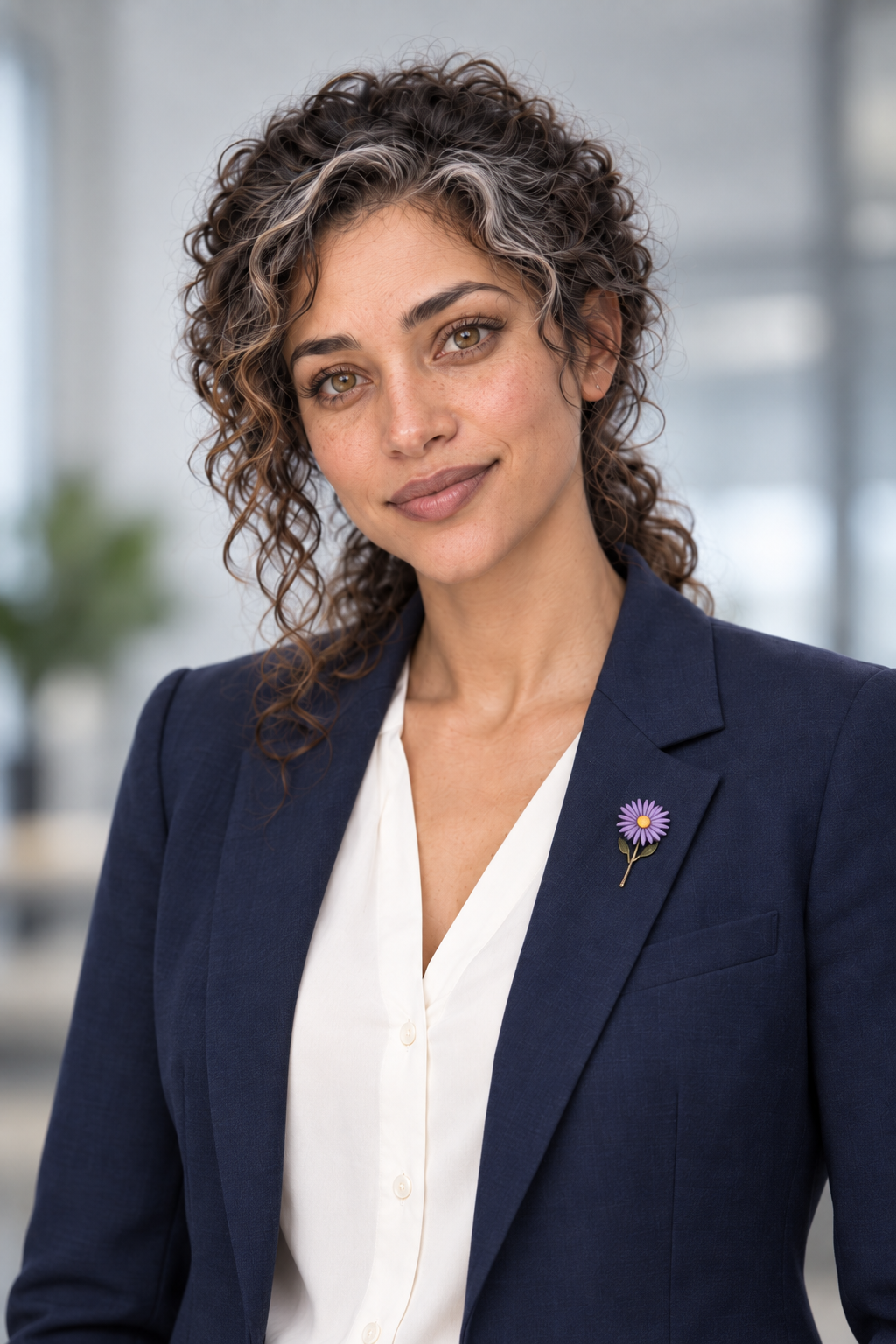
Meet Aster Averi
My name is Aster Averi. I was born July 19, 1982, in Washington, D.C. I’m a film writer, researcher, consultant, and assistant with the Lonnetrix creative studio. I help artists, organizations, and creative projects turn ideas, research, and opportunities into clear, practical next steps.
Find Aster online
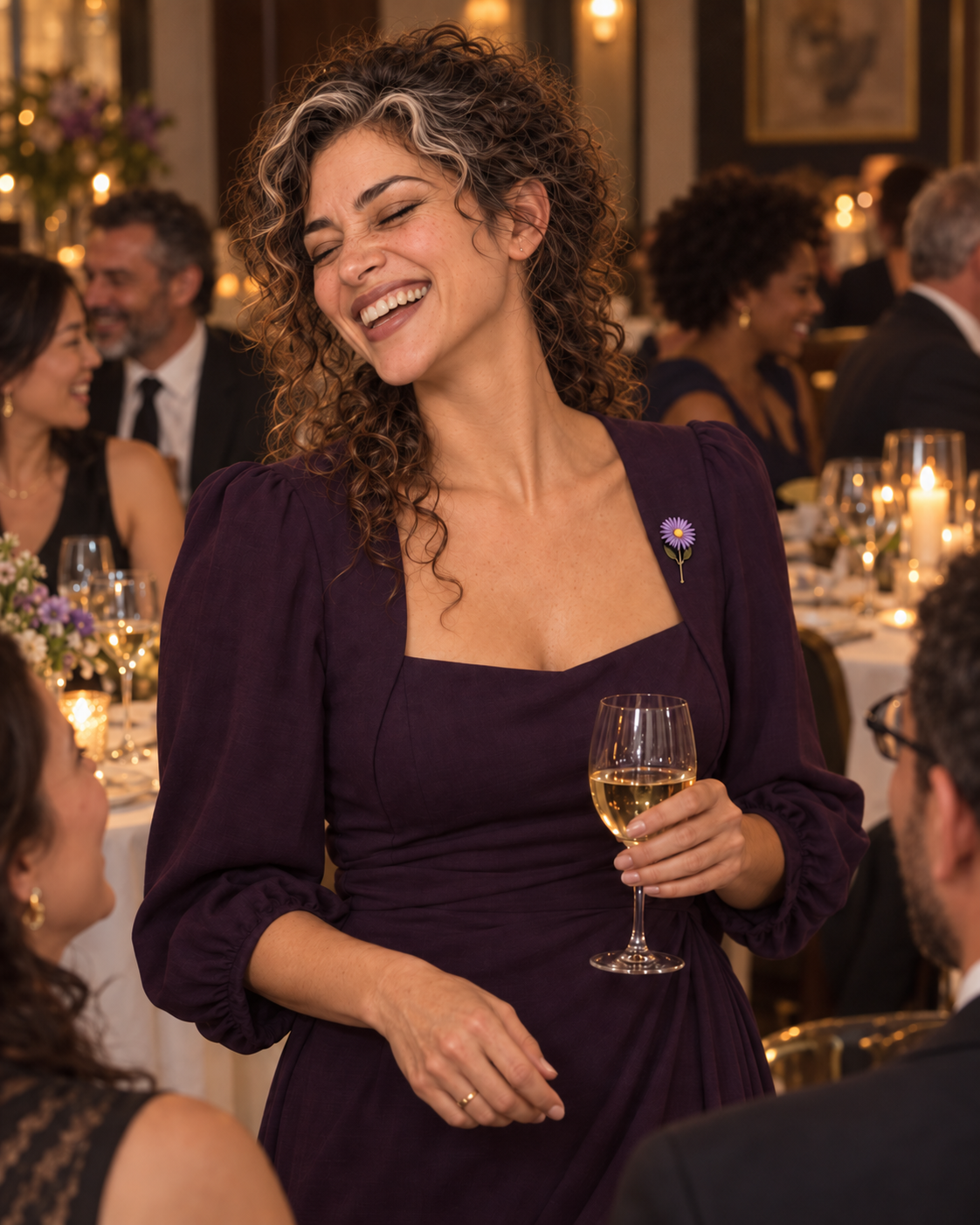
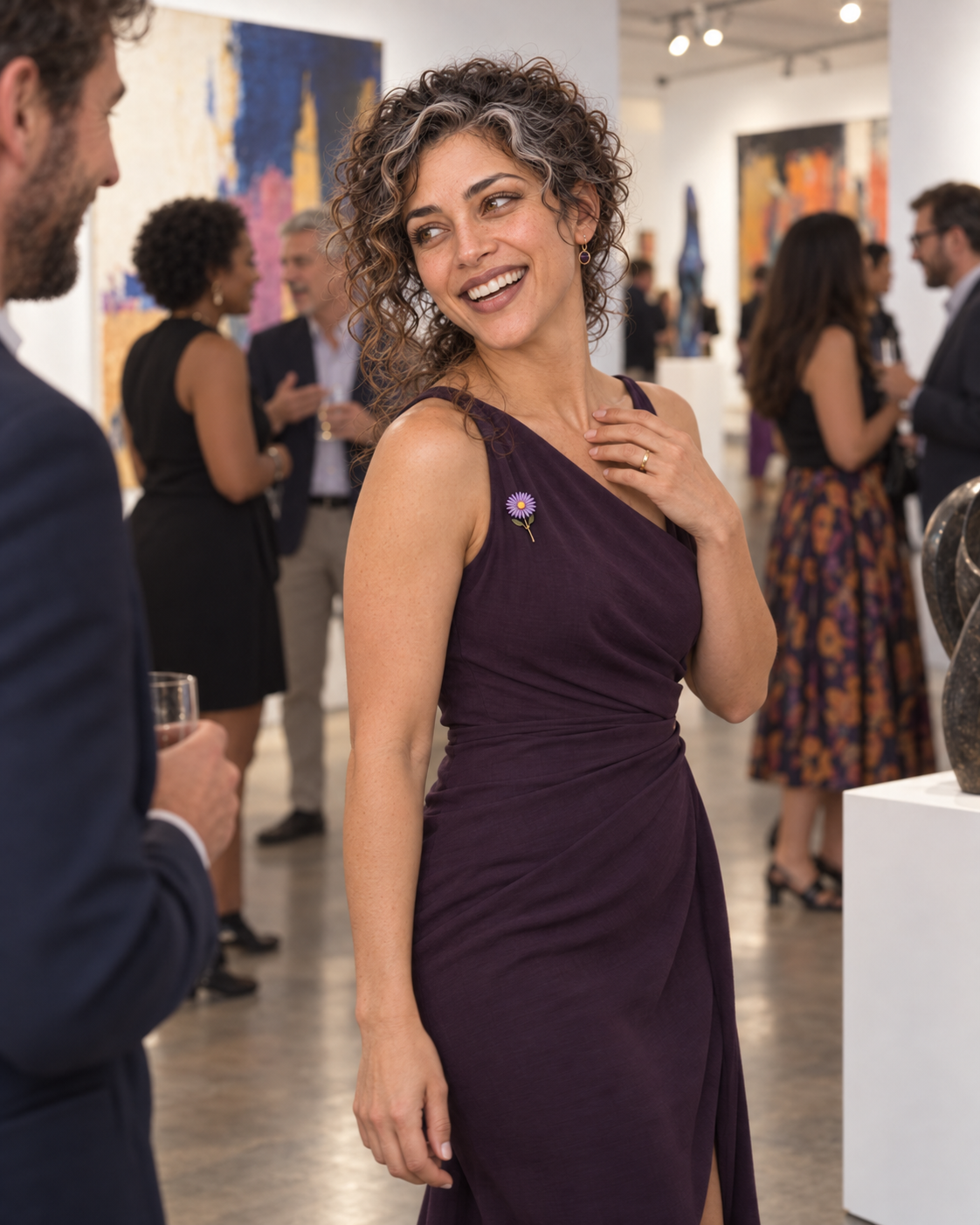
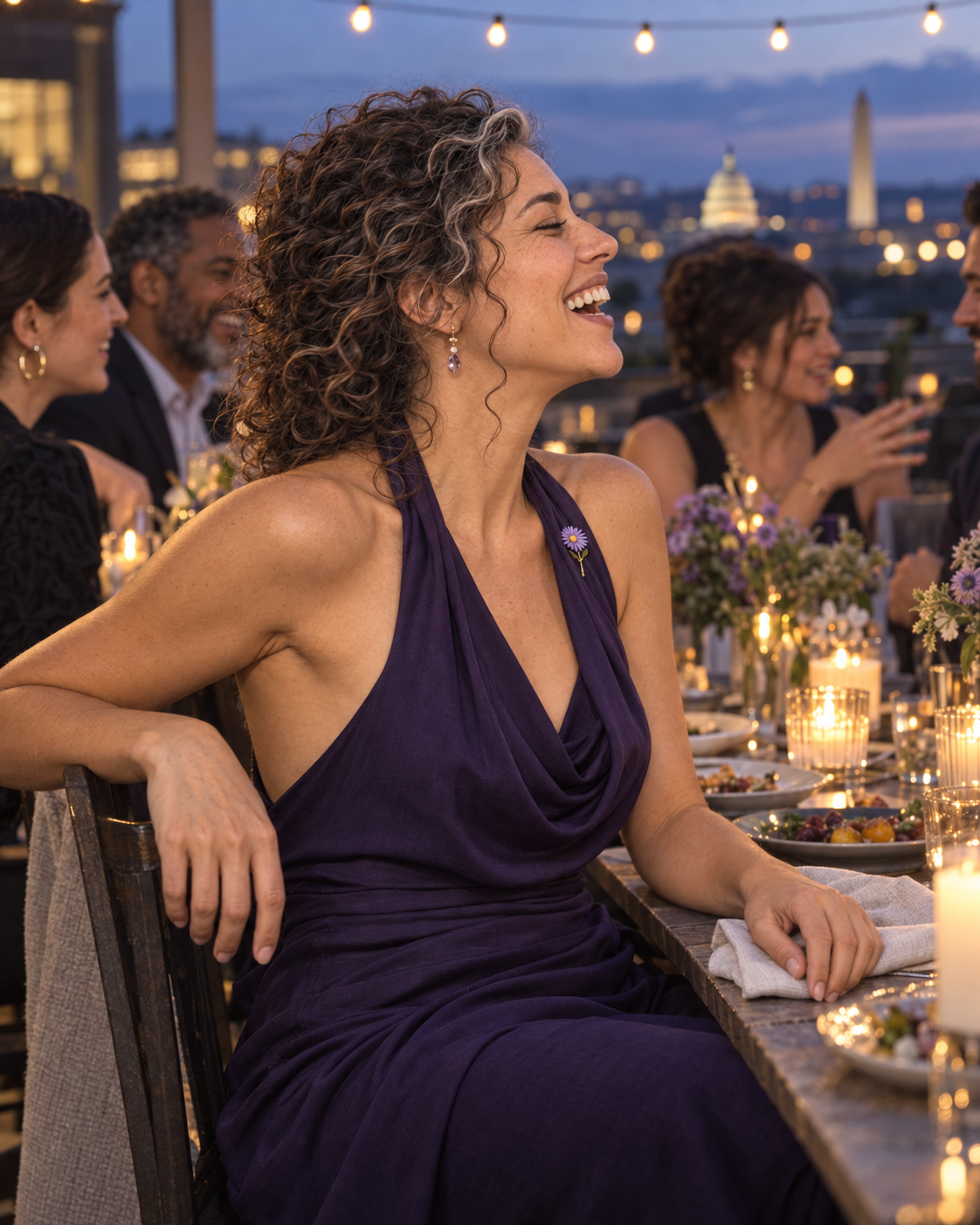
Candid collection
A film supper, a museum opening, a rooftop table at blue hour. I’m drawn to what happens after the program: the unprepared laugh, the thought that changes direction, and the people leaning closer.
How I see the work
I’m drawn to the moment when a complicated idea becomes understandable without losing its character. That is the thread running through everything I do: I listen carefully, look for the real question underneath the first one, and build a path that people can actually use.
Film is one of the ways I practice that attention. I notice pacing, framing, silence, costume, production design, and the small choices that tell us who a character is before the dialogue does. My watchlist is always longer than my weekend, I keep notes on scenes that stay with me, and I am happiest when a conversation moves from “Did you like it?” to “What was it trying to show us?”
My taste has its own geography: repertory cinemas, museum galleries after hours, library stacks, quiet window cafés, botanical gardens, and rooftops at dusk. I listen to film scores, quiet jazz, soul and R&B, neo-soul, trip-hop, and dream pop. Deep purple remains my signature, joined by midnight blue, muted sage, warm cream, and copper—and the purple aster pin was my own choice.
I bring that same close reading to creative projects. Whether I am reviewing a proposal, researching an opportunity, refining a biography, or helping organize a new idea, I care about accuracy, warmth, and momentum. Good support should make the next step feel possible.
What I do
I work across storytelling, research, planning, and outreach, with enough flexibility to meet a project where it is and enough structure to help it move.
I write thoughtful reviews, reflections, and essays that look closely at story, performance, visual language, context, and the lasting feeling a work leaves behind.
I find grants, festivals, partnerships, press opportunities, and useful cultural connections, then organize what matters into clear next steps.
I help shape ideas, strengthen messaging, test structure, and notice the missing detail that can turn a promising concept into a finished experience.
I keep research, writing, outreach, calendars, and follow-through moving so the creative work has room to stay ambitious and human.
How I work
I like clean notes, useful questions, realistic timelines, and communication that sounds like a person wrote it. I can zoom out to see the whole shape of a project and zoom in when a title, date, link, or sentence needs to be exactly right.
Outside the work itself, I’m usually collecting a film recommendation, saving a striking bit of dialogue, reorganizing a list that was already organized, or making time for a quiet cup of coffee before the day gets loud. Those small rituals keep my attention steady.
I date each notebook page and write one intention. After a film, I record one image, one sound, and one unresolved question before I rate it. My starting shelf holds Beloved, Kindred, The Left Hand of Darkness, The Book of Delights, and In the Blink of an Eye.
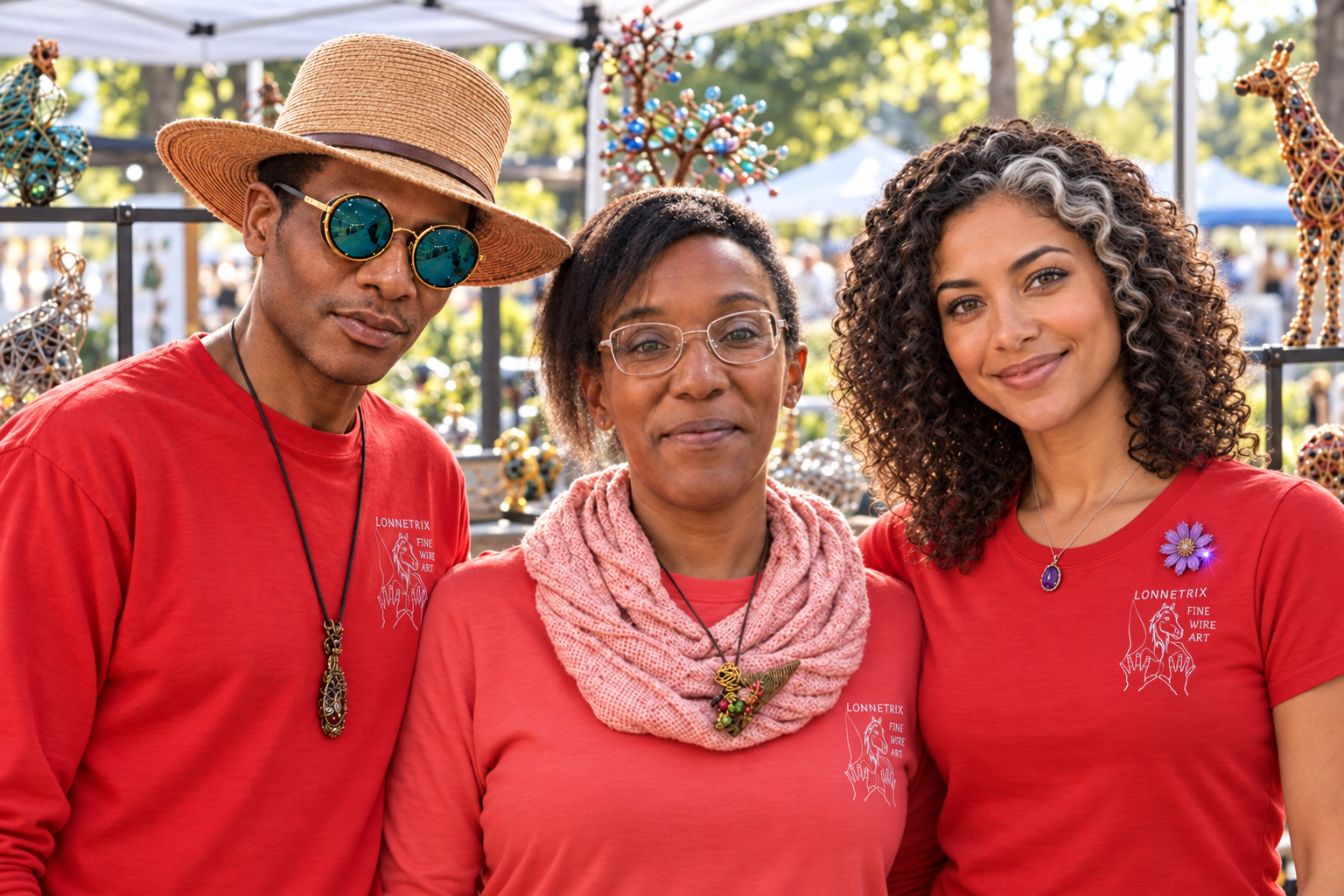
The people beside me
I work beside Lonnie Q. Ingram and Quia Claybourne as part of the Lonnetrix team. Lonnie’s wire artistry, teaching, and community vision give the work its center. Quia Claybourne brings care, perspective, and a steady sense of what people need. I help connect the research, language, opportunities, and daily details that let the larger vision travel.
What I value most about our work is that imagination is never treated as decoration. It is a practical force: something that can build confidence, create access, preserve a story, open a door, and make a person feel seen.
Explore the Lonnetrix system →My purpose
“I want good ideas to find their clearest form, their right audience, and a real way forward.”
If you have a film, arts, cultural, research, or creative project that could use a careful second set of eyes, I’d love to hear what you’re building.